Services we offer
3D Creation
Our custom 3D learning experiences transform complex spaces, systems, artefacts, and ideas into purposeful interactive resources that support specific learning outcomes.
Bespoke 3D Learning Environments
These projects are designed from the ground up to suit the needs of a unit, topic, or assessment task. Rather than using 3D for its own sake, we focus on where it genuinely improves understanding — whether that means helping students explore a scientific process, reconstruct a historical environment, investigate competing interpretations, or interact with a virtual space in ways that would not otherwise be possible. Some projects use live-rendered 3D for real-time exploration and interaction. Others use pre-rendered 3D sequences combined with interactivity for a lighter, more streamlined experience. The approach depends on the teaching goal, the technical requirements, and the student experience you want to create.
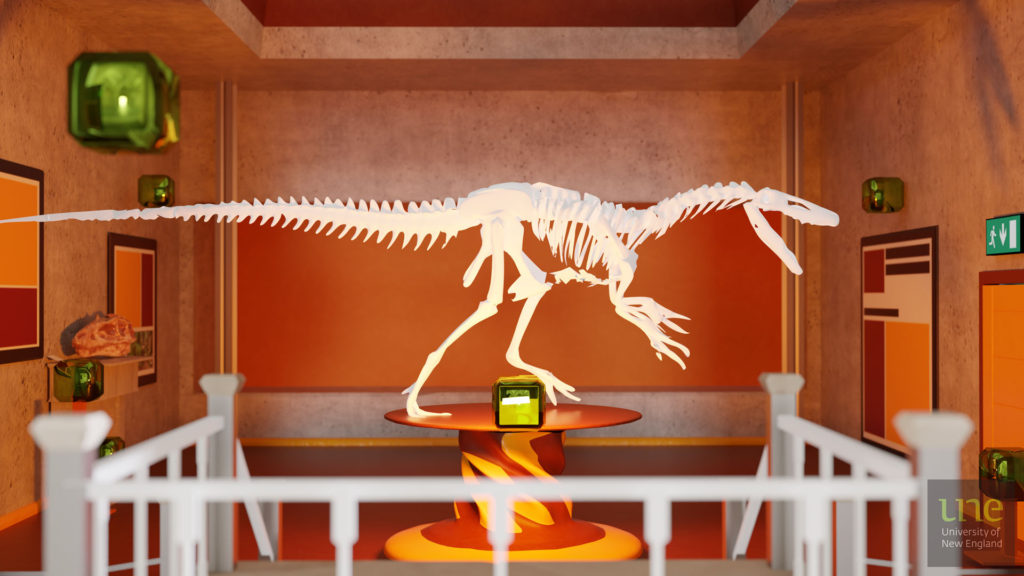
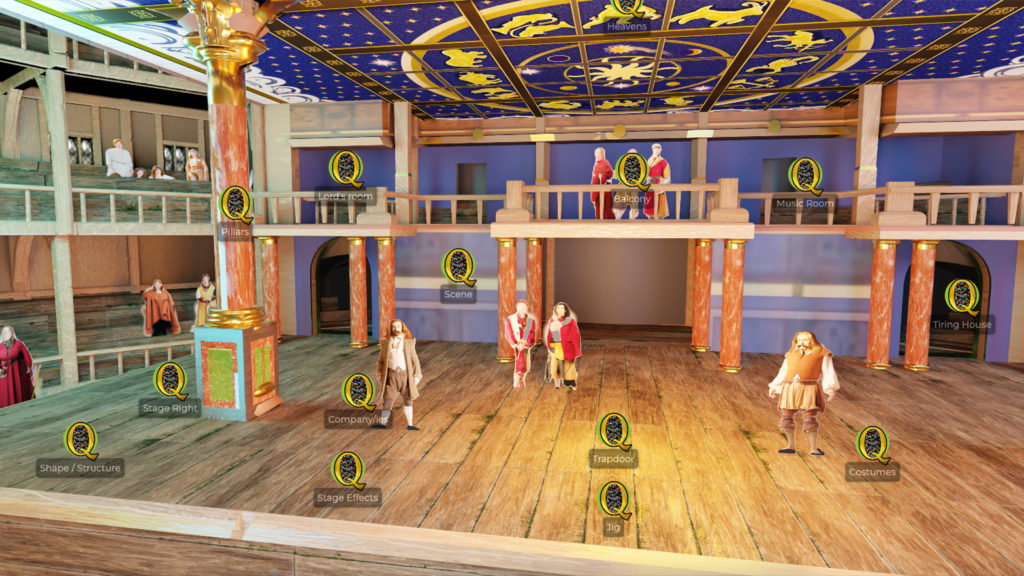
Interactive 3D Environments
Immersive spaces that allow learners to explore, investigate, and interact. These may take the form of virtual museums, reconstructed locations, or navigable learning environments designed to encourage curiosity, reflection, and discovery.
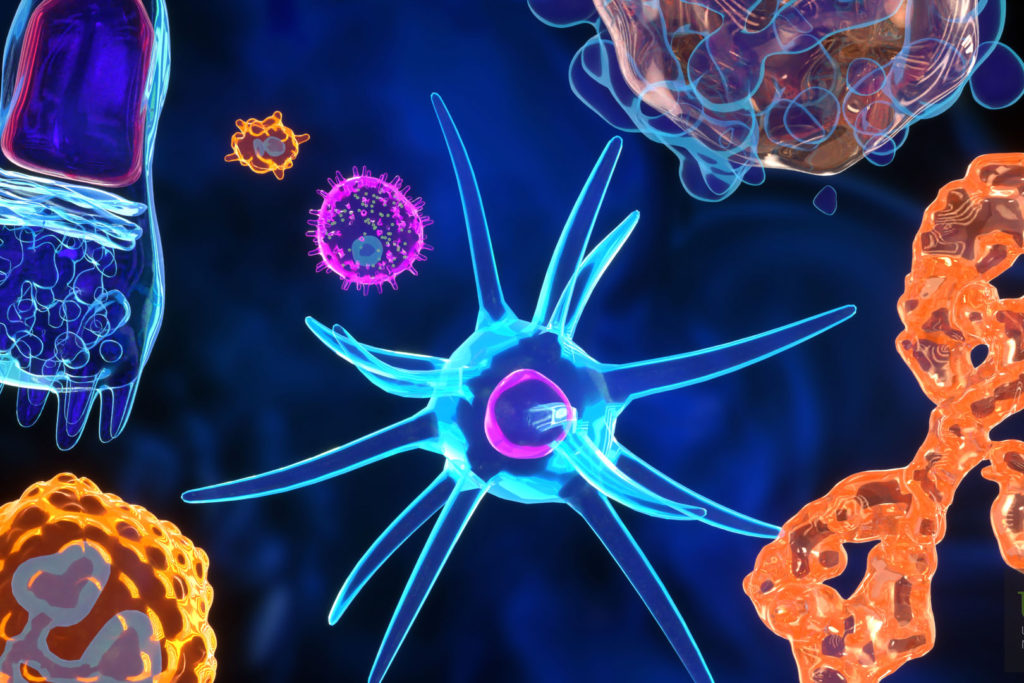
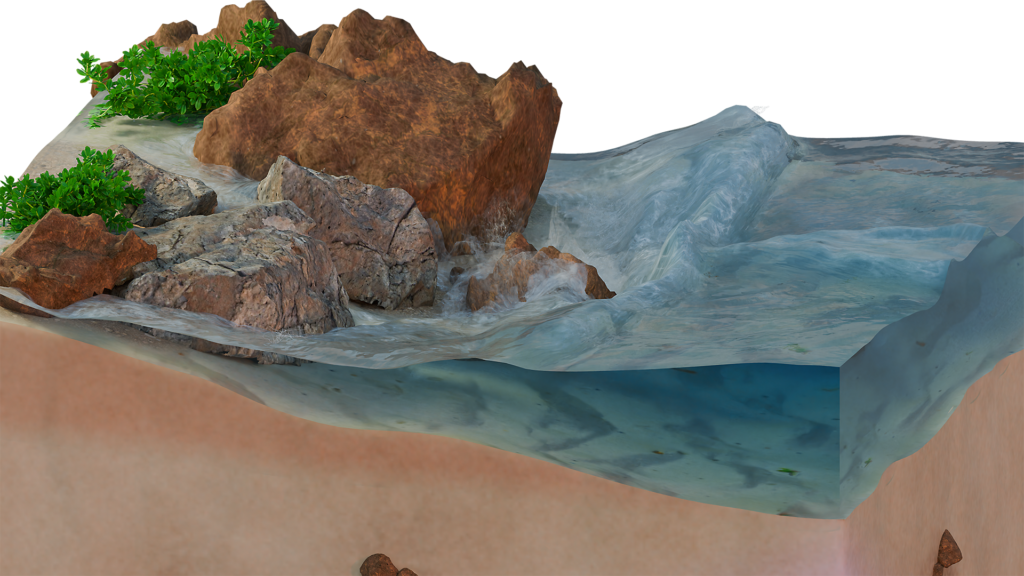
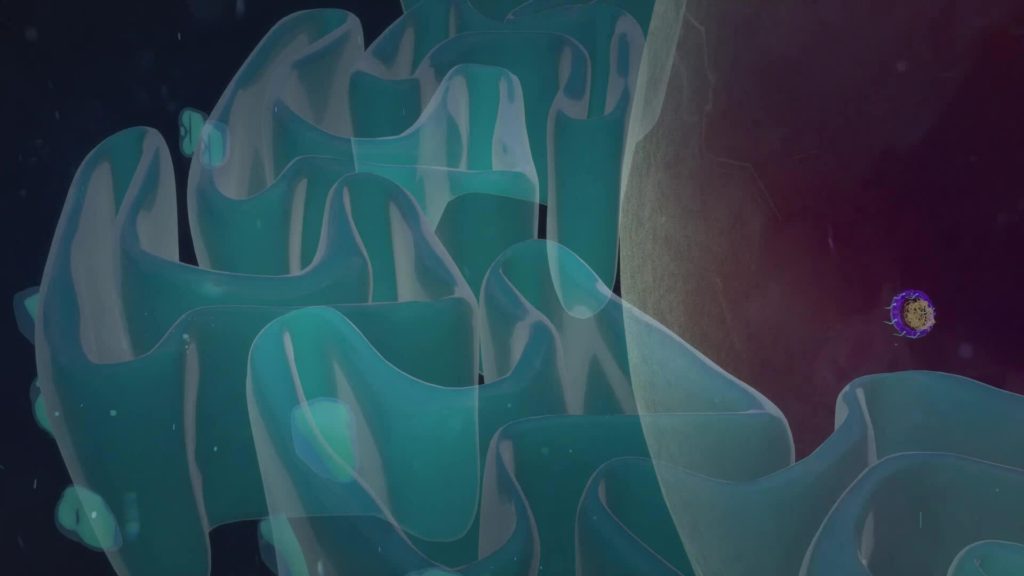
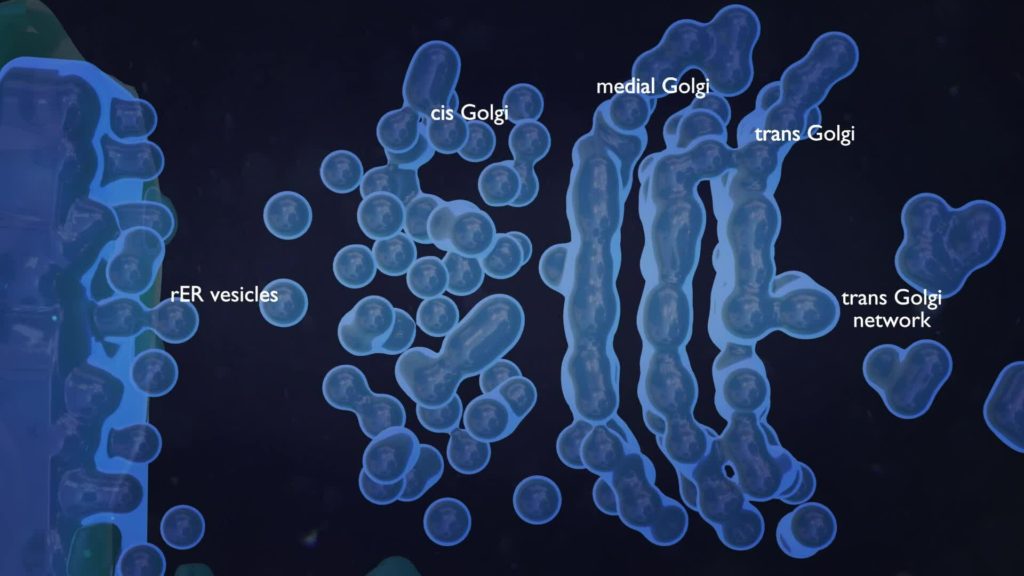
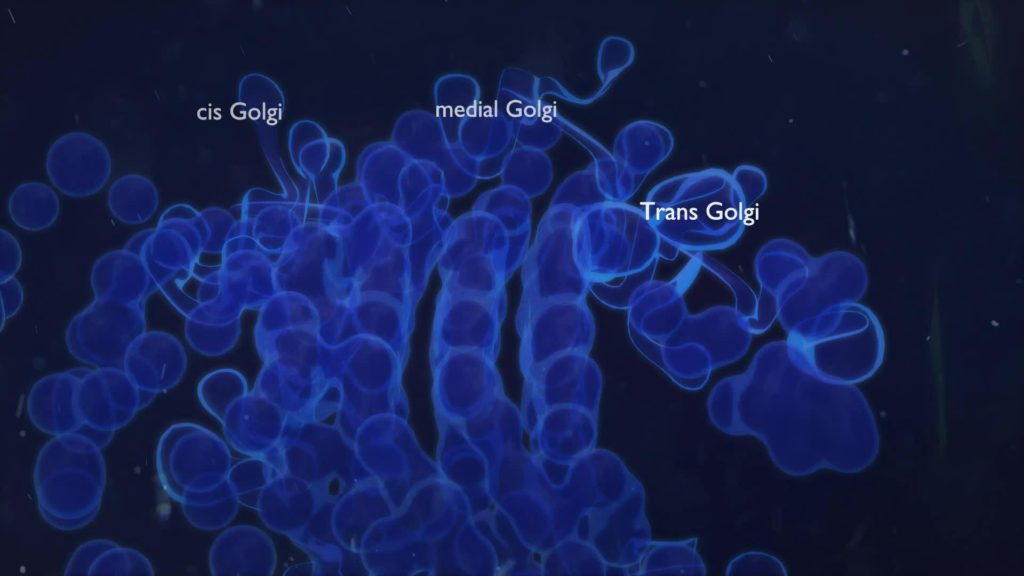
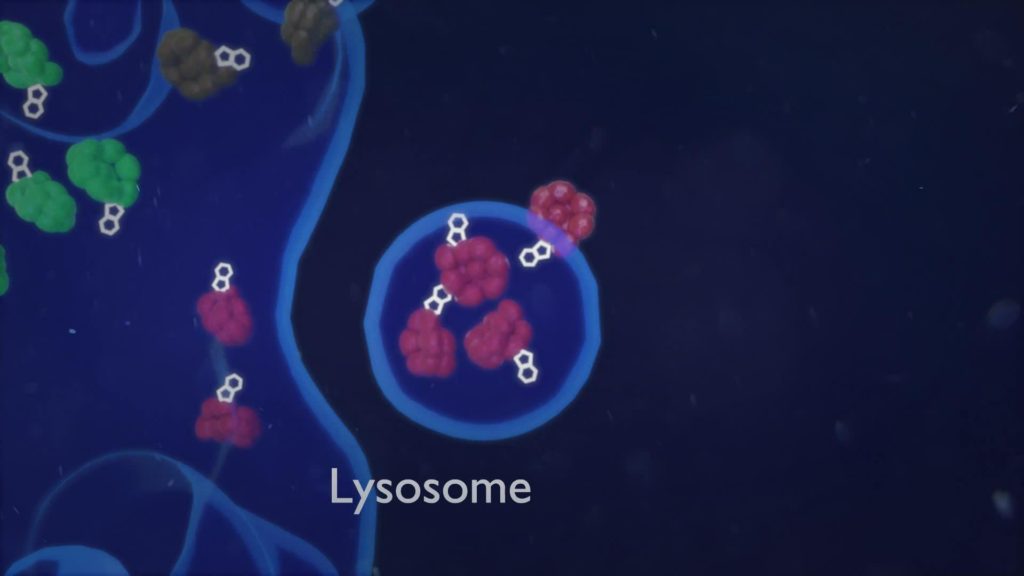
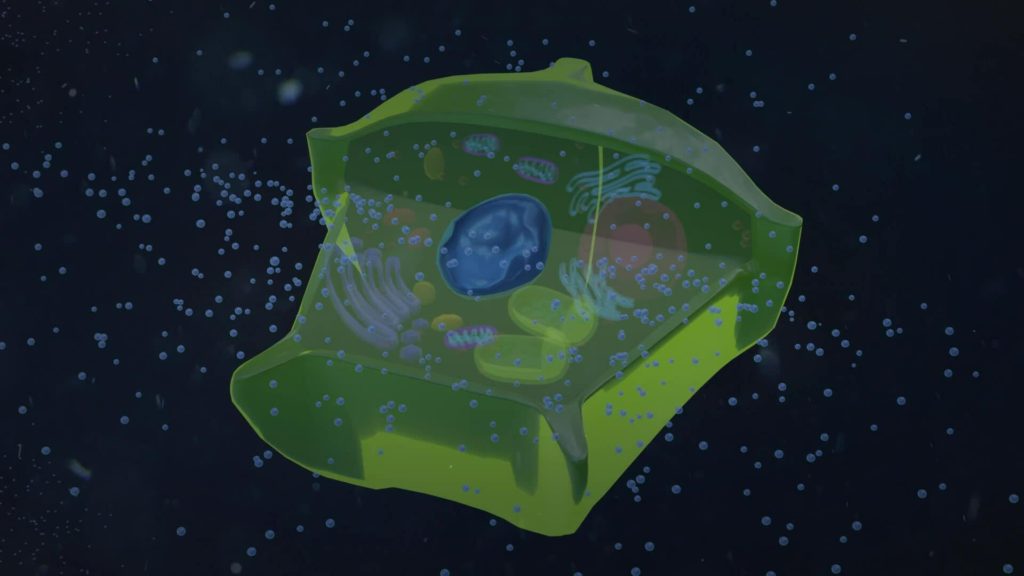
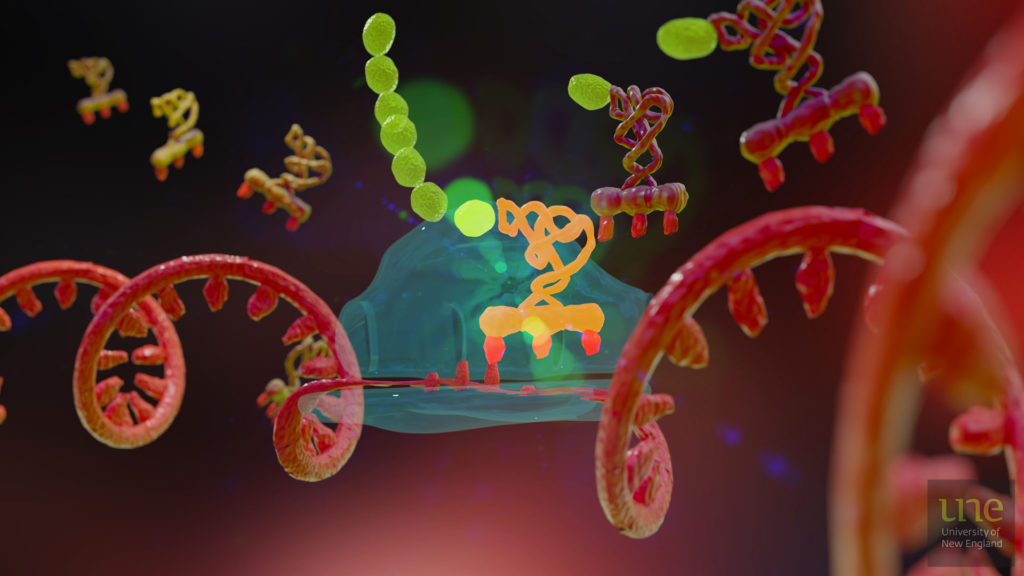
Scientific and Biological Simulations
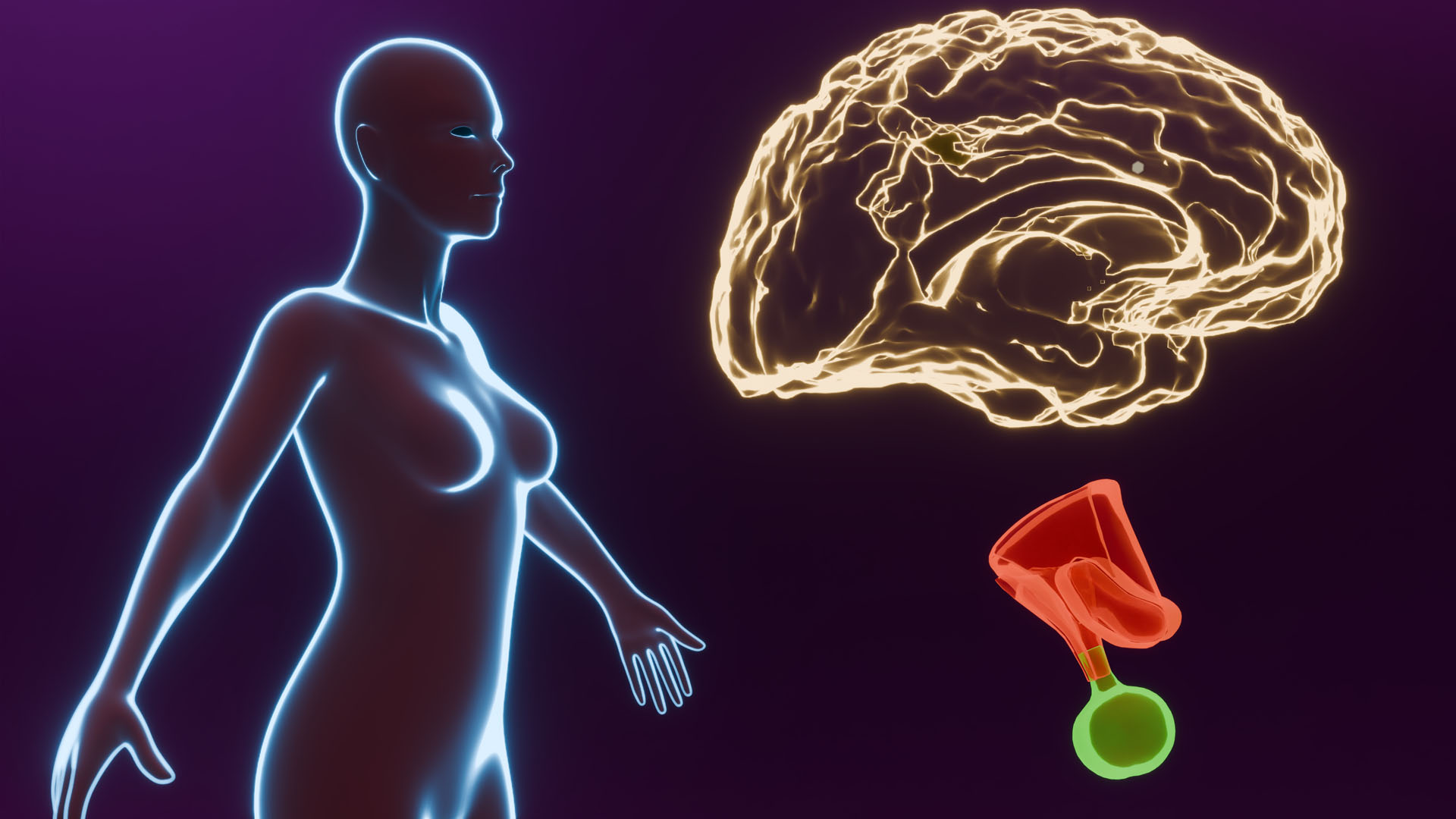
3D resources that help students understand systems, processes, and cause-and-effect relationships. These are especially useful when learning depends on seeing structure, sequence, interaction, or multiple possible outcomes.
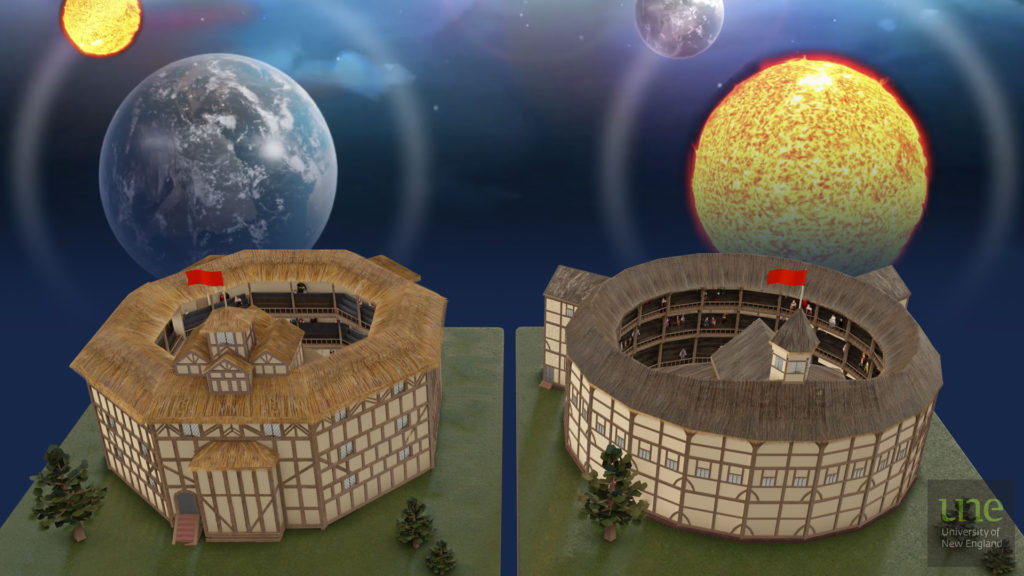
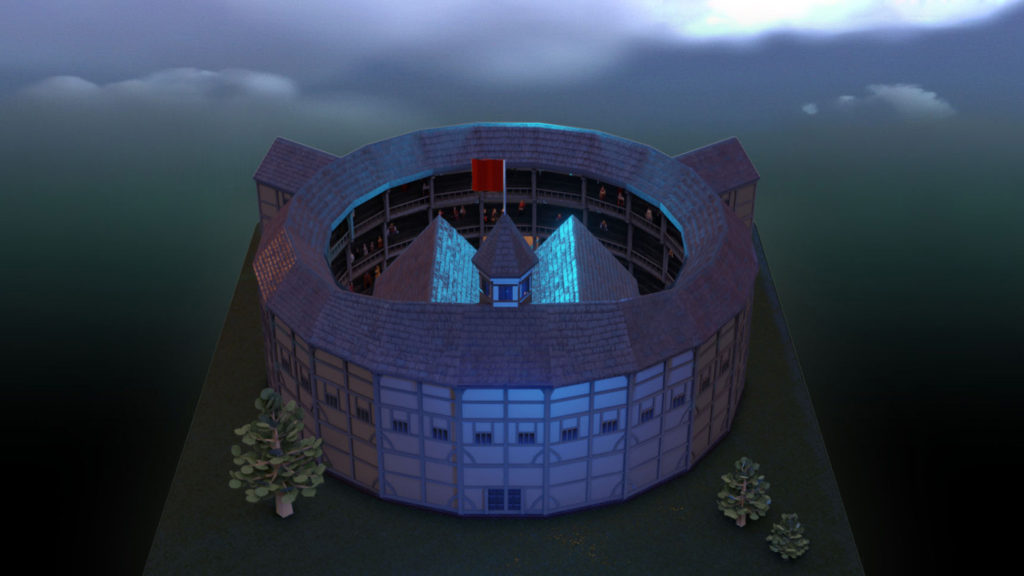
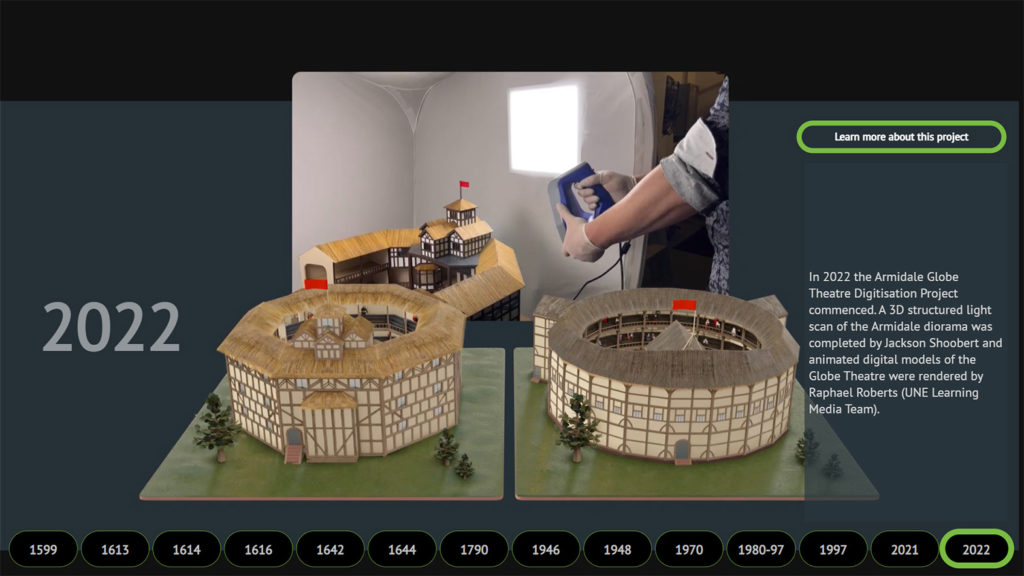
Historical and Cultural Reconstructions
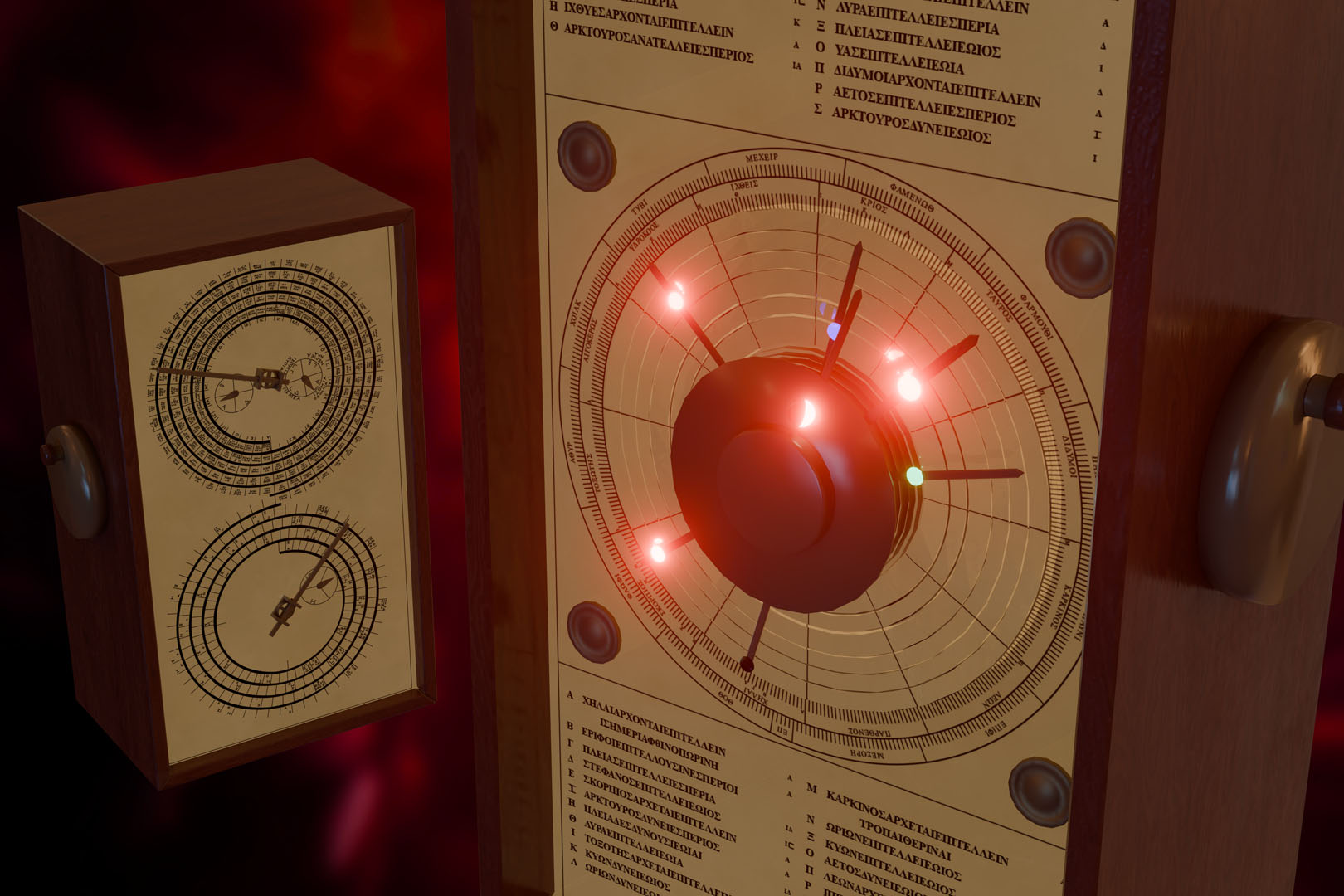
Interpretive 3D experiences that bring places, objects, and events into focus. These projects can help students engage with evidence, uncertainty, and changing academic interpretations over time
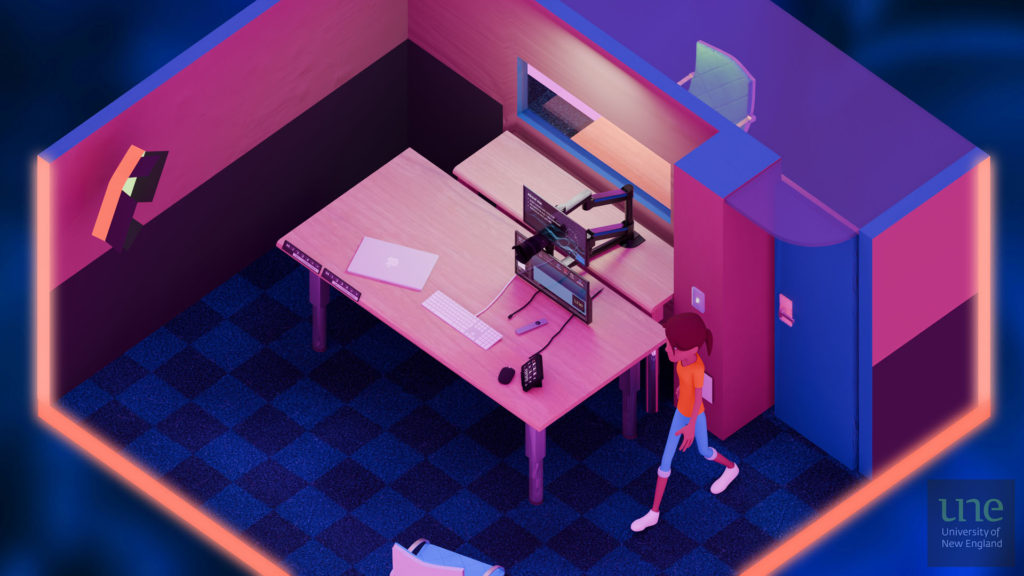
Hybrid 3D Learning Artefacts
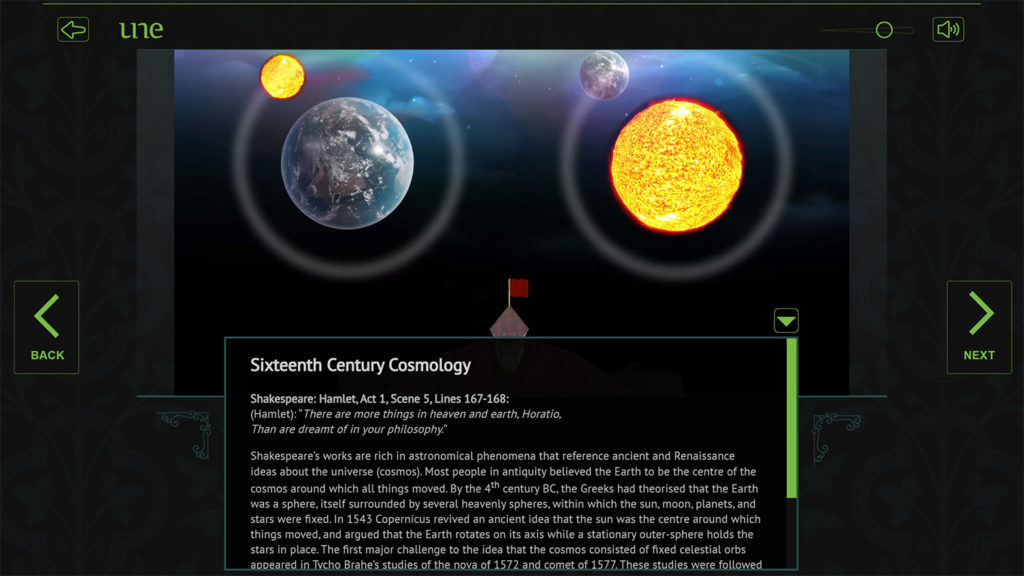
Custom solutions that combine 3D visuals with interactivity, reflection, narrative, branching pathways, or assessment elements. These are well suited to richer learning experiences that need more than a simple model or animation.
How does 3D Creation enhance T&L?
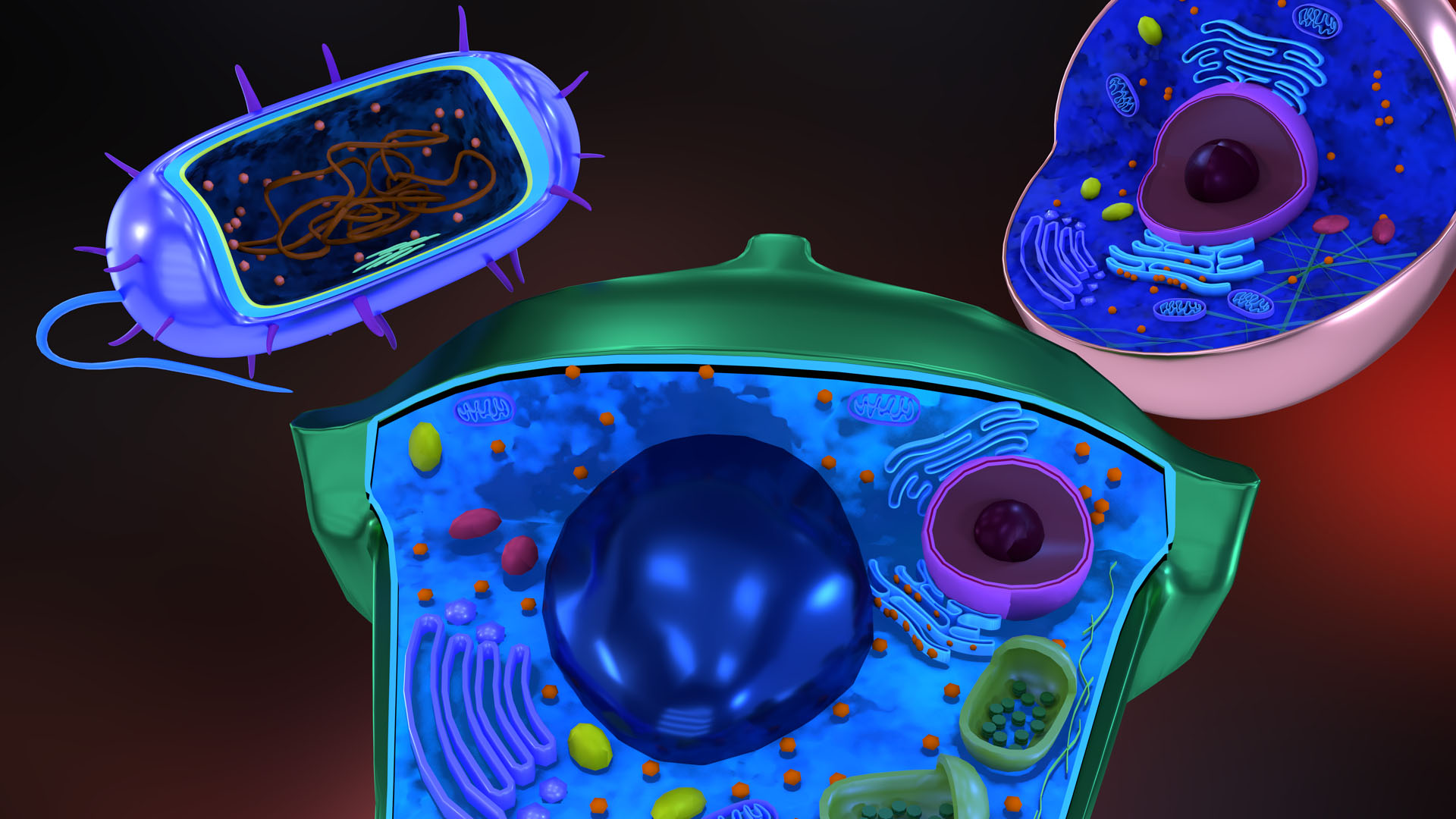
A well-designed 3D artefact is not just visually impressive — it is built to support a teaching purpose. We design these resources around what students need to notice, compare, interpret, remember, or apply.
FAQs
Frequently Asked Questions
We create a wide range of custom 3D learning experiences, including interactive environments, scientific simulations, historical reconstructions, exploratory activities, and gamified learning resources. Each project is shaped around the needs of the content and the intended learning outcomes.
Our workflows vary depending on the project. We commonly use Blender for modelling, animation, and scene development. Some projects use live-rendered 3D for real-time interaction, while others use pre-rendered 3D assets combined with web-based interactivity. We choose the workflow that best suits the educational goal, the required level of fidelity, and the intended delivery context.
No. Live-rendered 3D can be ideal for free exploration, manipulation, or more game-like interactions, but it is not always necessary. In many cases, pre-rendered 3D paired with thoughtful interaction design can provide a strong learning experience with lower technical overhead.
Yes. Depending on the project, these resources can be embedded within UNE platforms or hosted externally and linked from within a unit. The best delivery method depends on the type of interaction, technical constraints, and how the resource is intended to be used.
3D is especially useful when students need to understand space, structure, sequence, movement, perspective, reconstruction, or multiple interpretations. If your teaching goal would benefit from learners being able to explore, compare, or interact with something visually and spatially, it may be a strong candidate.
It helps to have a rough sense of the teaching goal, intended audience, and where the resource would sit within the unit. You do not need to have the format fully worked out. Even a simple description of the concept, problem, or learning challenge is enough to start a conversation.
Timelines vary depending on scope, complexity, and available source material. A focused 3D activity may be relatively contained, while larger environments or simulations can take considerably longer. The earlier we can discuss the idea, the better we can help shape a realistic approach.
Yes — in some cases. There are increasing opportunities for staff to experiment with their own 3D workflows, especially for simpler projects or early prototypes. This page is intended as a starting point, and over time we plan to develop further guides and resources to support both collaboration with our team and DIY approaches
Looking to explore 3D further?
This page is designed as a top-level starting point. Over time, we plan to expand it with more detailed resources for staff who want to work with our team, as well as practical guidance for those interested in exploring their own 3D content creation workflows. If you have a teaching idea that might benefit from 3D, get in touch with us to start the conversation
Examples of 3D Creation
View some of our resources or see all 3D Creation resources here.