Evolving videography studio
About
the space
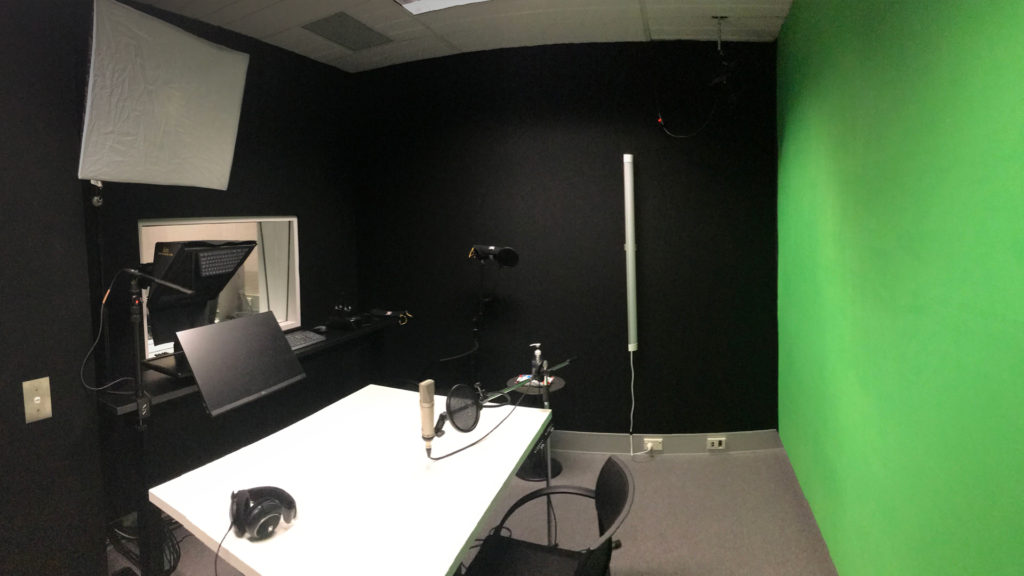
This case study explores how an underutilised photography space has gradually evolved into a flexible videography environment capable of producing real teaching resources. Rather than a single, funded project, the space has been shaped over time through testing, collaboration and practical use.
The focus was not on creating a finished studio, but on understanding what the space could do – and allowing its capability to grow as demand, need and opportunity emerged.
At a glance:
- Large, open studio space not originally designed for video.
- Long-standing acoustic challenges.
- No dedicated studio budget.
- Increasing demand for flexible video recording environments.
- An incremental, proof-first approach to development.
- AI-enabled (through AI voice isolation) to jump-start our vision.
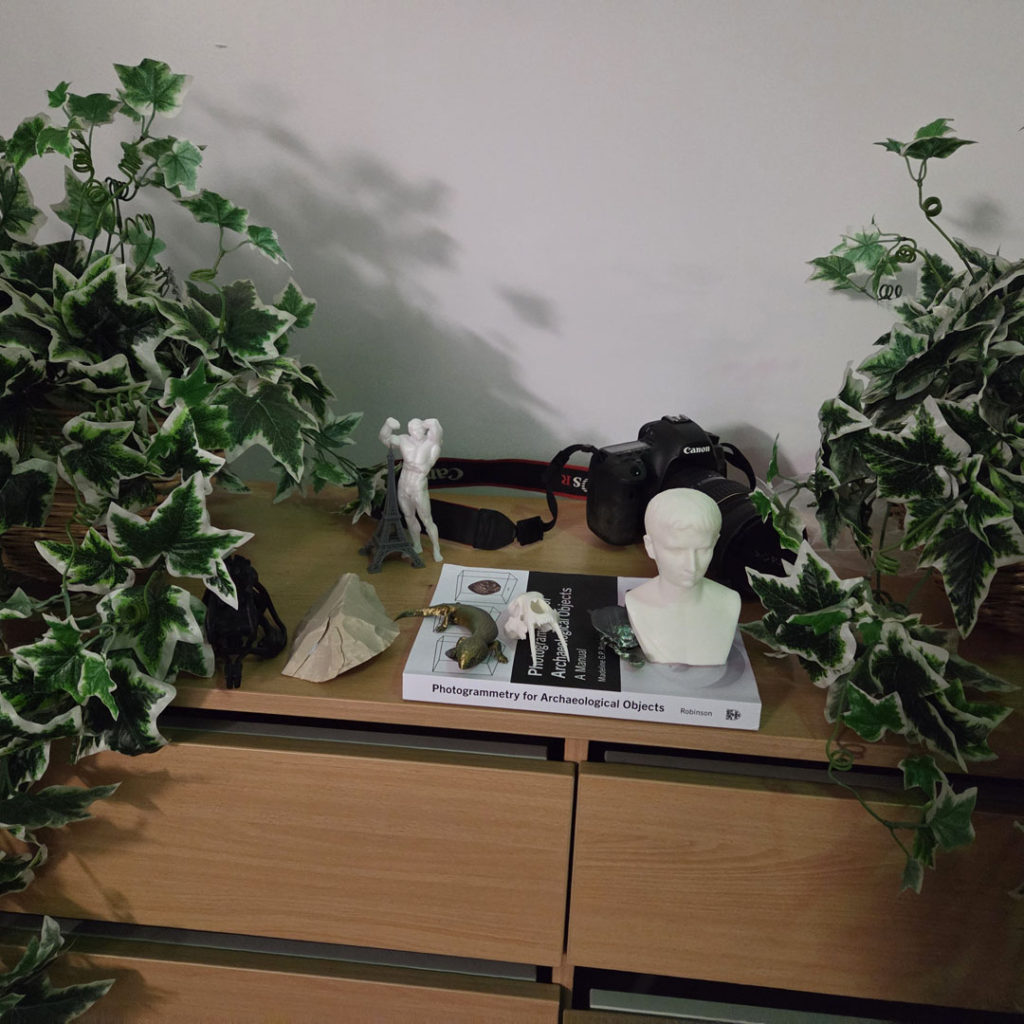
Interest pieces to make the set real
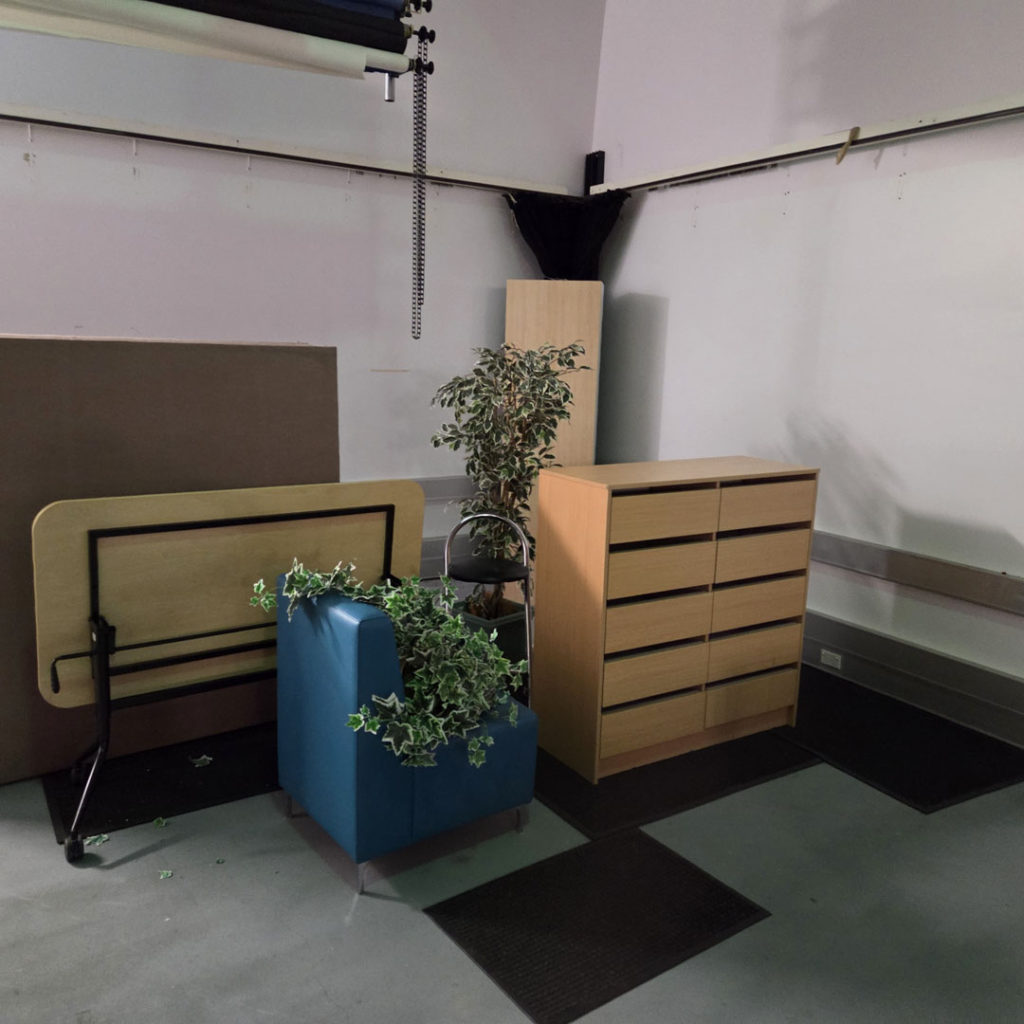
Modular furniture to make a set
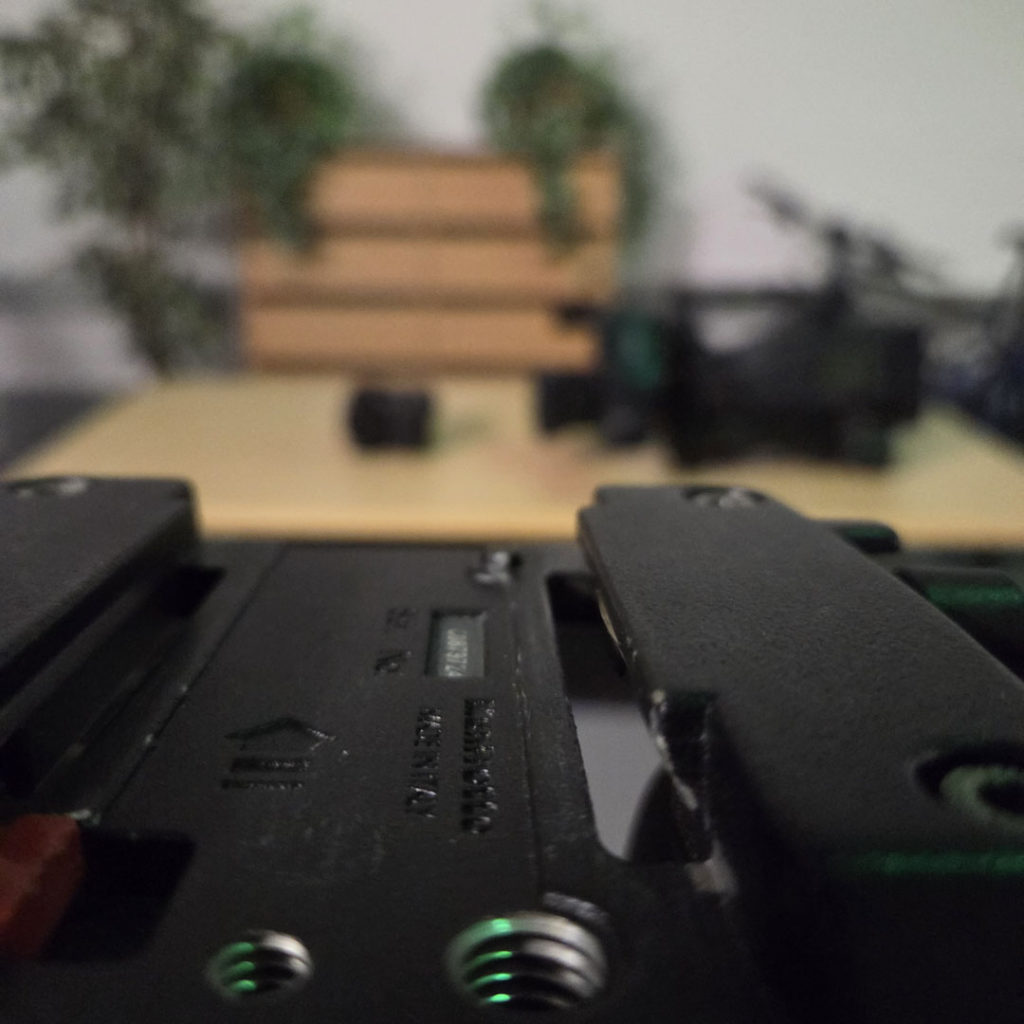
Camera shot from camera tripod
The challenge
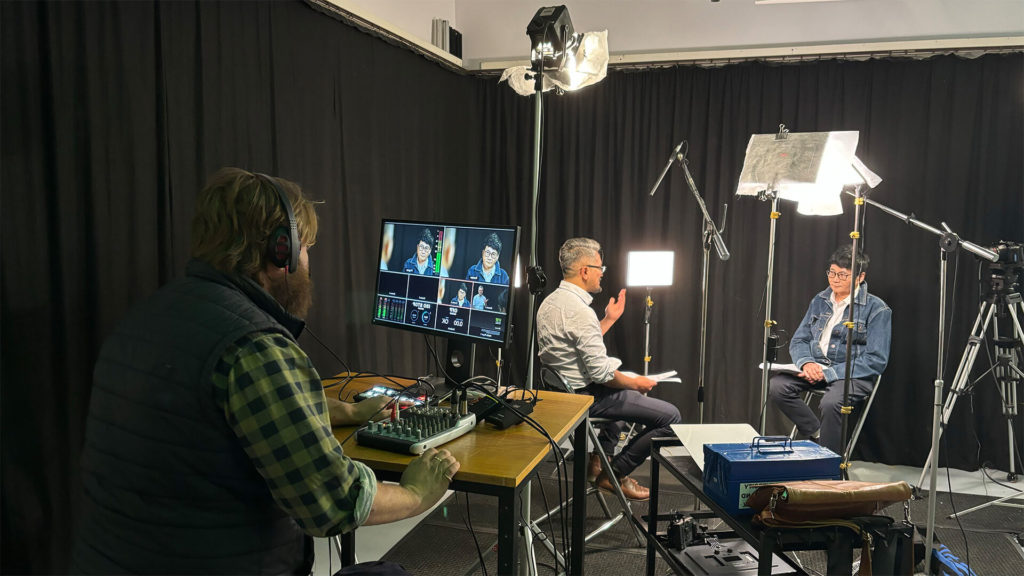
The space was large and visually flexible, but it had never functioned as a recording environment. Poor acoustics meant audio would reflect and rebound off hard surfaces, making it unsuitable for video work beyond basic photography use.
At the same time, the Learning Media team was seeing a steady increase in demand for larger scale videography not suitable for our other studio spaces that are already now being heavily utilised. Securing funding to fully retro-fit the space was not feasible, meaning the challenge was less about rebuilding and more about rethinking what was possible.
The opportunity
Growing demand for video teaching resources meant existing studios couldn’t meet every need. The large, underutilised photography space offered potential – not as a finished studio, but as a flexible environment that could be shaped over time.
The goal was simple: test what the space could do, and let real usage guide its development.
What we wanted to explore:
- Could the space support usable video recording?
- Could it accommodate different teaching scenarios?
- Could it scale alongside demand without major capital works?
The approach
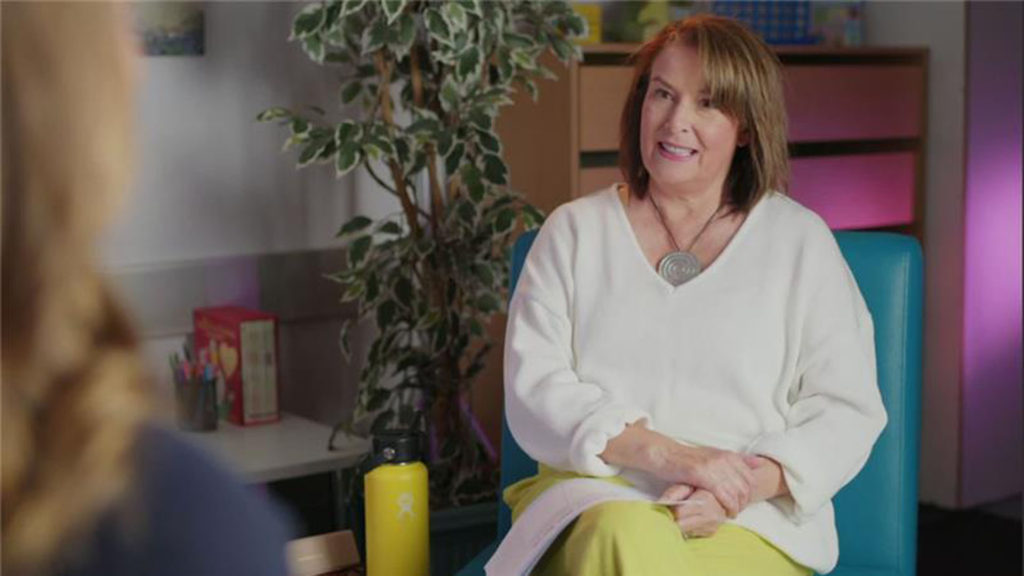
Rather than waiting for ideal conditions or a dedicated budget, the Learning Media team focused on practical, incremental steps to test and develop the space.
Key elements included:
- Incremental setup: Slowly adding lights, furniture, and props as they became available through collaborations with academics and the EBE team.
- Flexible workflows: Configuring the space for different scenarios and group sizes without permanent installations.
- Modern tools: Using AI-assisted voice isolation and other software features to overcome audio challenges.
- Proof-first mindset: Testing the space with real projects to see what worked, then refining setup and workflows based on experience.
The approach emphasised making the space functional now, while keeping the long-term vision in mind.
The proof point
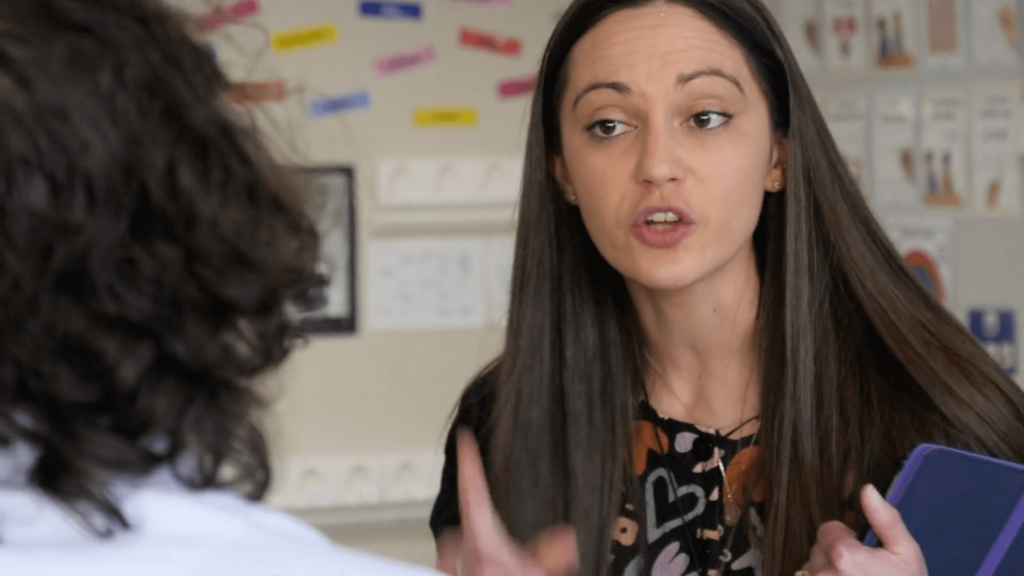
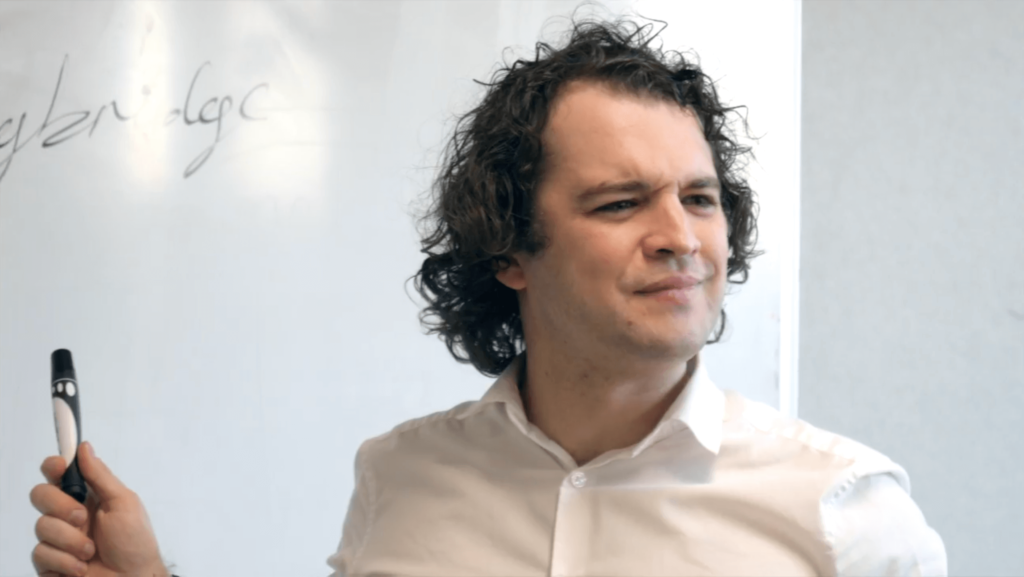
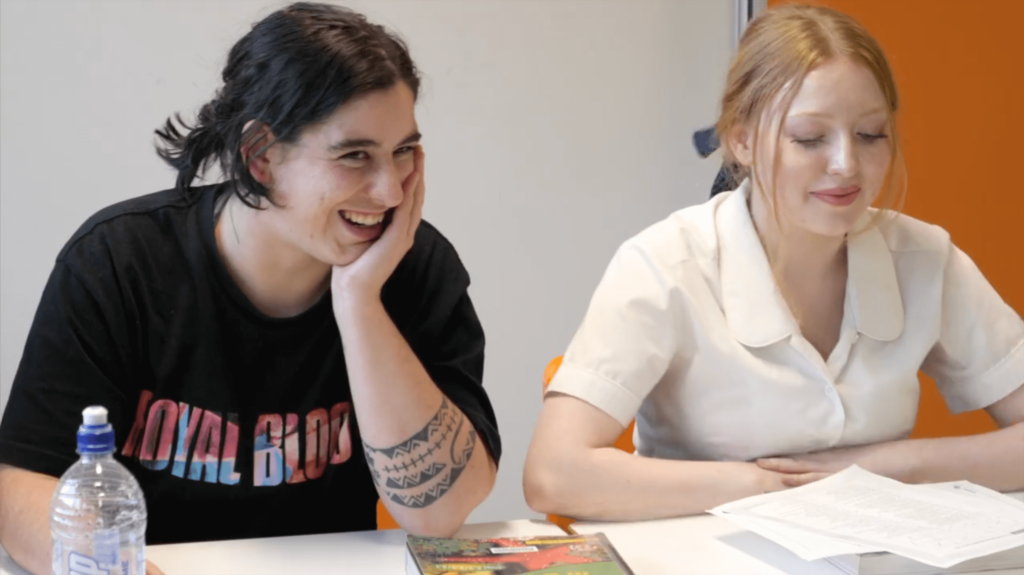
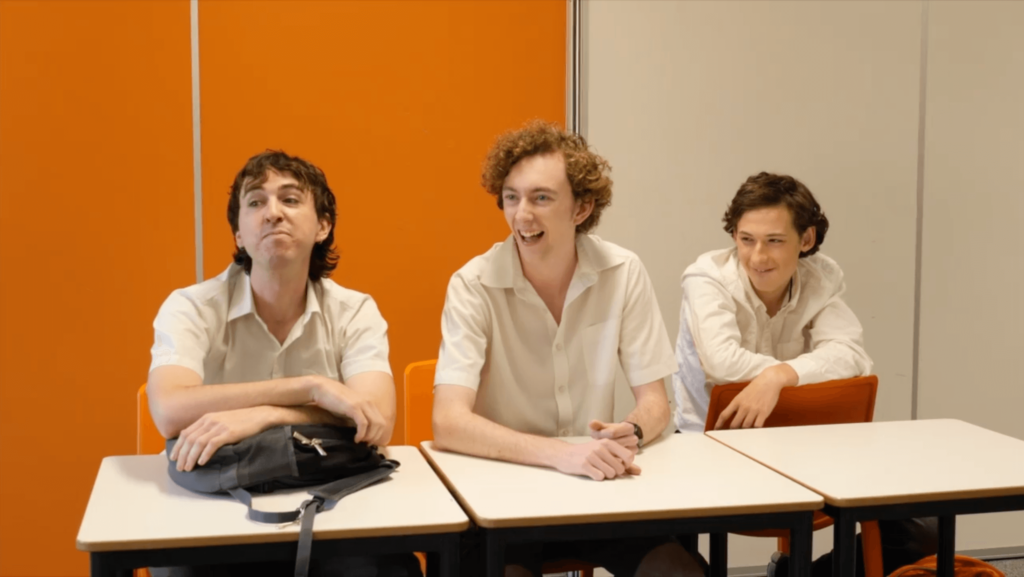
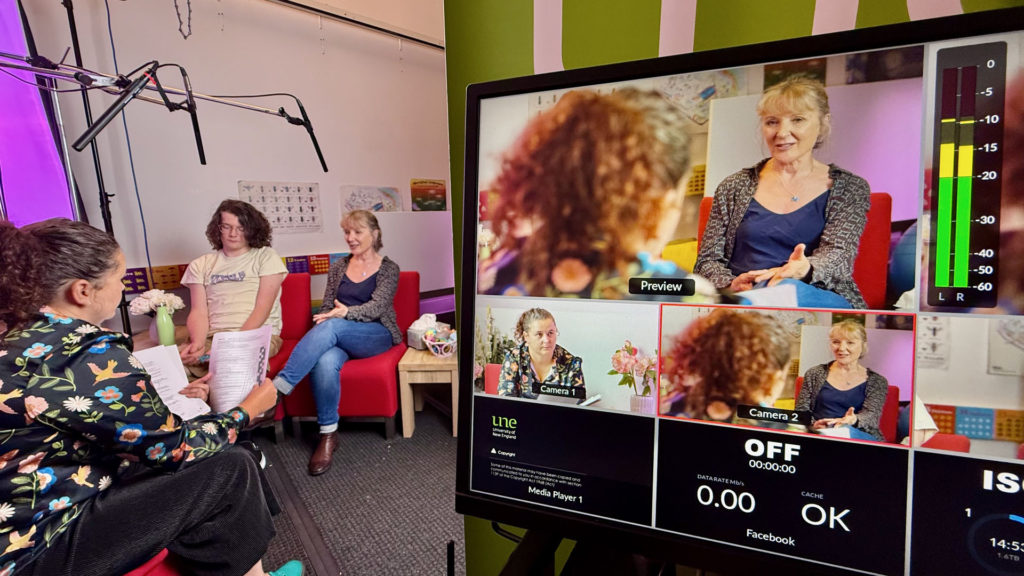
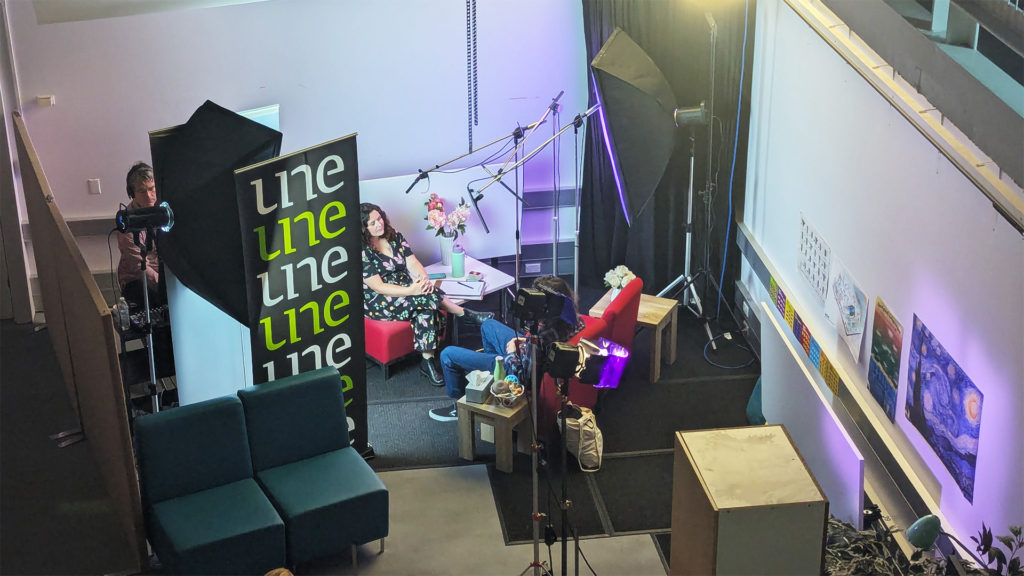
The first real test came over a concentrated period in late 2025 and early 2026, with a series of teaching videos working in collaboration with the Psychology team. With real actors and scenario setups, the Learning Media team quickly configured lighting and modular furniture to deliver usable recordings.
The project confirmed that the space could support small group recordings, interviews, and scenario-based teaching content – all delivered under real deadlines. It proved the vision: a flexible, usable space could be created incrementally, without waiting for ideal conditions or a dedicated studio budget.
What’s next?
The space isn’t a finished, purpose-built studio. Acoustics are still imperfect, and some equipment is still being added incrementally. But it now has a clear vision and proven capability.
The team will continue to develop the space as demand grows: adding modular furniture and props, refining lighting setups, and expanding its use across disciplines. For now, it’s already a functional, adaptable environment delivering real teaching media – and it has the potential to evolve further as needs and resources allow.