Creating content for aspiring content creators
About
the project
Working closely with the Unit Coordinators and Learning Designers, Learning Media drew on both production expertise and day-to-day content creation practice to build resources grounded in real-world workflows. The suite focuses on transferable skills, authentic practice, and the realities of making media with limited time and equipment. Here’s what was involved:
- Curriculum-aligned resource design tailored to the unit’s learning outcomes and real-world production constraints
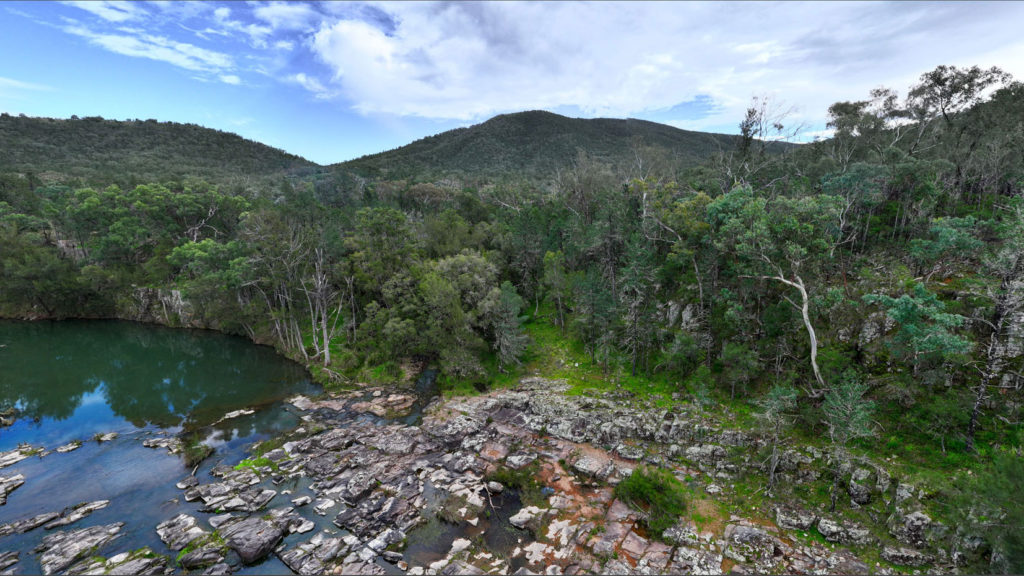
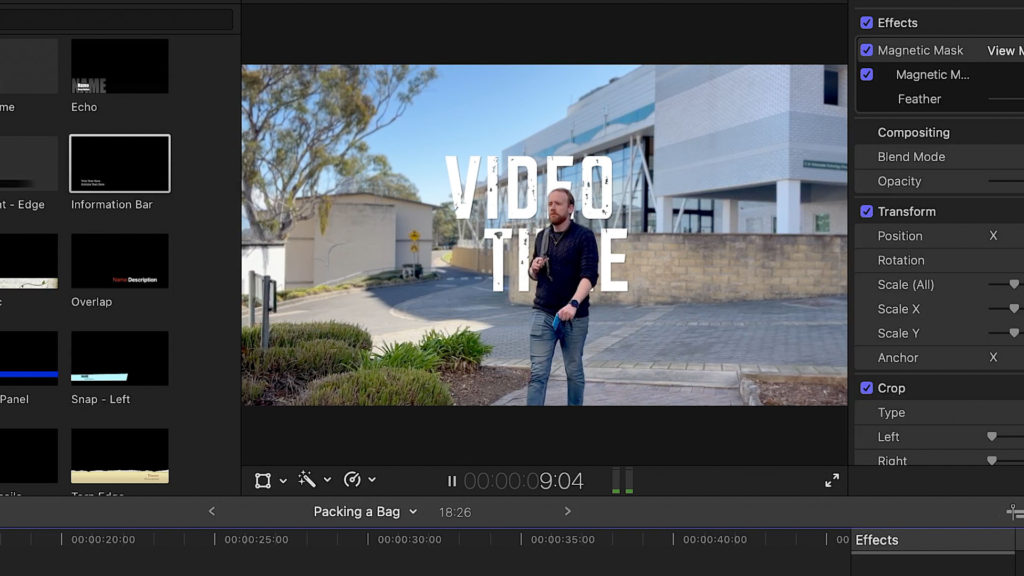
- A multi-angle rushes package for student editing exercises, paired with an edited reference example
- Chaptered foundation videos covering core audio and video editing principles in a software-agnostic way
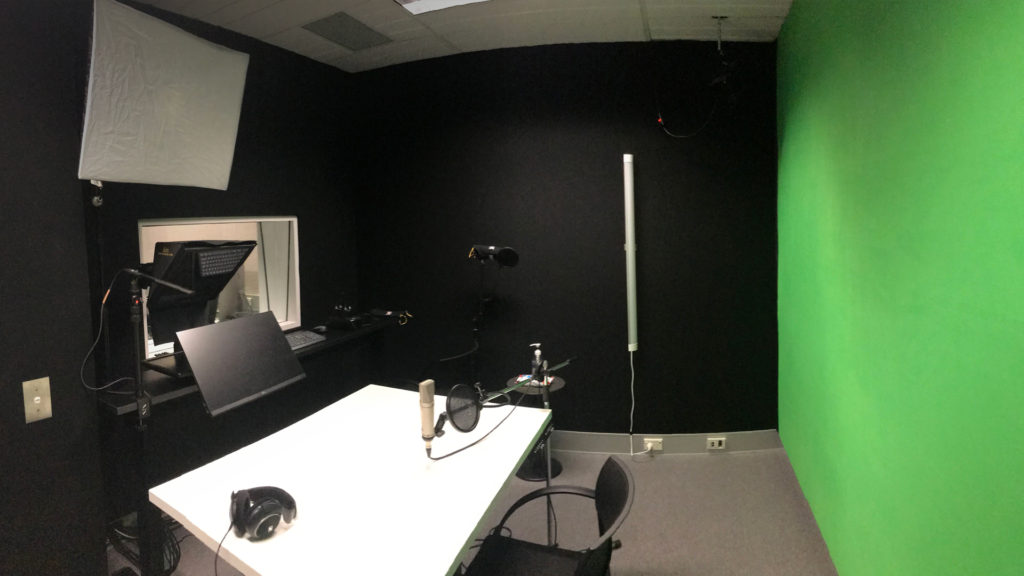
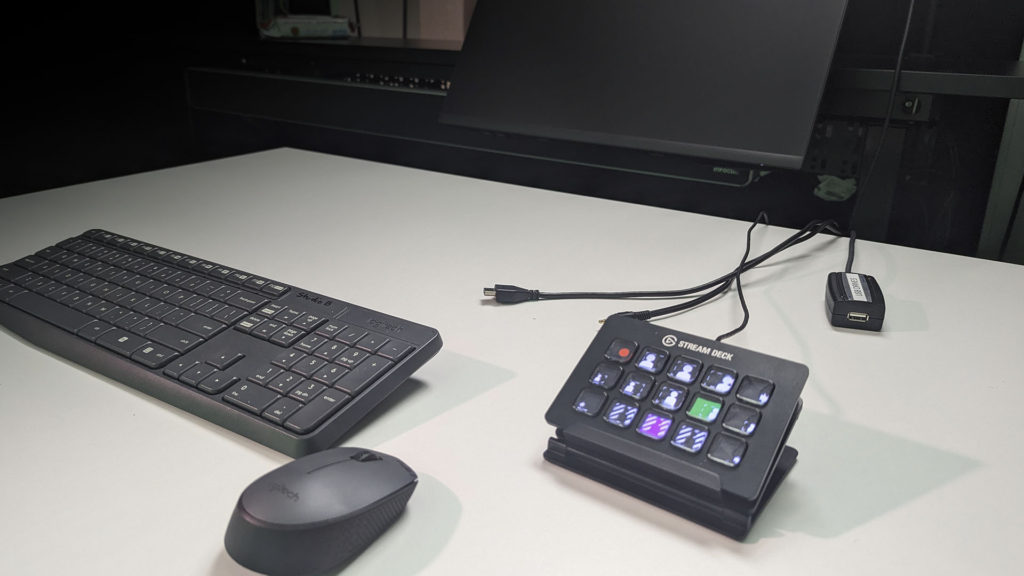
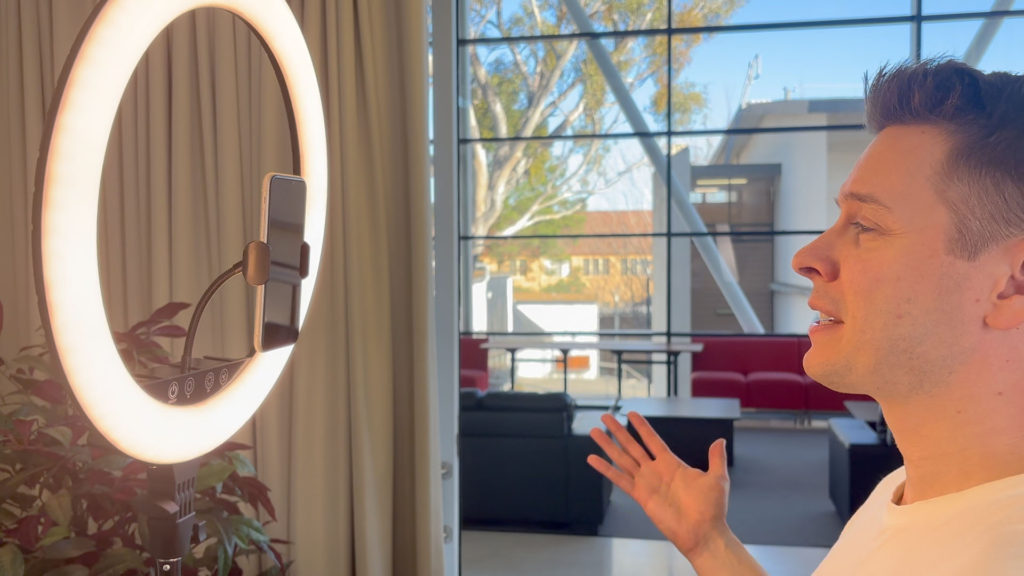
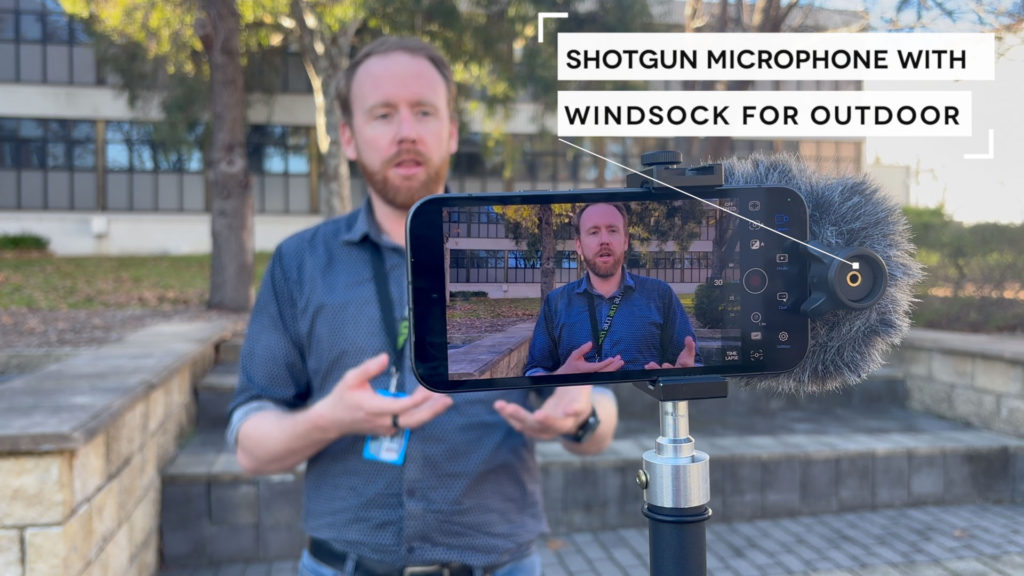
- A chaptered DIY equipment guide breaking down common gear choices, basic operation, and practical buying considerations
- Accessible capture demonstrations, showing how everyday tools like smartphones can be used effectively alongside dedicated gear
Bridging theory and practice
Teaching practical production skills online often comes down to helping students understand why creative and technical choices are made, not just which buttons to press.
Collaborative scoping
Working alongside the Unit Coordinators and Learning Designers, we mapped out the core principles students needed to grasp early in the unit. Rather than tying the resources to a single editing platform that might date quickly, we focused on foundational, software-agnostic workflows – covering gear basics, framing, audio, and storytelling under real-world constraints.
Scaffolded practice and worked examples
To help students move from watching tutorials to making their own editorial decisions, the resources were structured around active practice rather than passive viewing.
Raw materials and reference benchmarks
Instead of asking students to film their own footage before they knew how to edit, we supplied a complete set of raw, multi-angle sequence footage. This allowed everyone to practise building a coherent scene from the ground up using the same source material. Pairing those raw files with a completed reference edit gave students a clear benchmark for pacing, coverage, and how different cutting choices change the flow of a sequence